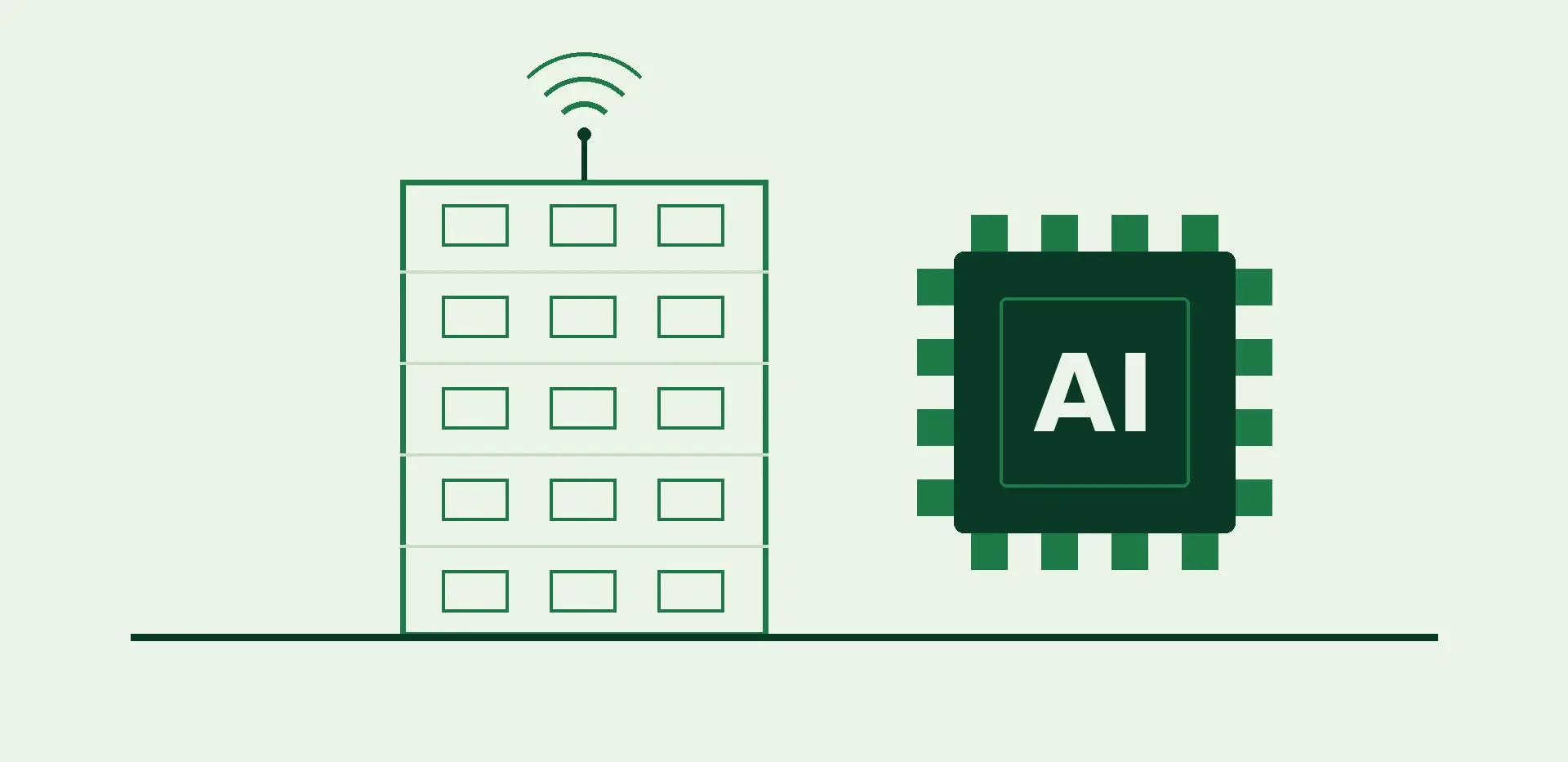
As we move through 2026, the term “smart building” has evolved from a luxury buzzword to a fundamental operational requirement.
For Sydney’s high-density residential towers and premium commercial spaces, the challenge is no longer just about managing a physical space — it’s about managing the massive flow of data that space produces.
At BMA (Building Management Australia), we have transitioned from traditional reactive maintenance to an AI-augmented ecosystem. This shift isn’t just about cool gadgets; it’s about a measurable reduction in strata levies, an extension of asset lifecycles, and a superior living experience for residents.
From Reactive to Predictive: The Death of the “Emergency Repair”
For decades, building management was a game of “wait and break.” A pump would fail, a lift would shut down, or a leak would cause thousands in damage before anyone noticed. In 2026, that model is obsolete.
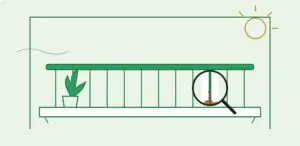
By utilising AI-driven predictive maintenance, BMA installs non-invasive IoT (Internet of Things) sensors on critical infrastructure like HVAC systems, water pumps, and switchboards. These sensors monitor vibration, temperature, and flow rates in real time. When an AI algorithm detects a tiny deviation from the “normal” vibration of a cooling tower motor, a work order is automatically generated. We fix the bearing for hundreds of dollars today, so you don’t have to replace the motor for tens of thousands tomorrow.
AI-Optimised Energy: Cutting Sydney’s Utility Bills
Energy costs in Sydney have hit record highs in 2026. However, buildings managed with these systems are seeing a real “efficiency dividend.”
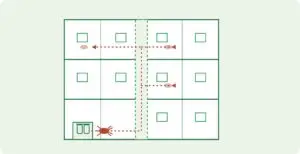
Traditional Building Management Systems (BMS) operate on rigid schedules — turning lights and air conditioning on at 7:00am and off at 6:00pm. BMA’s AI-integrated platforms go further. They analyse weather forecasts, historical occupancy patterns, and real-time foot traffic to dynamically adjust the building’s “breath.” If a cool breeze is forecast for a Sydney afternoon, our systems pre-cool the building using ambient air, reducing the load on expensive chillers and passing those savings directly back to the owners corporation.
The Digital Twin: A New Standard for Transparency
One of the most frequent searches in 2026 is “building management transparency.” BMA answers this through the implementation of digital twins.
A digital twin is a virtual 3D replica of your building that lives in the cloud. Every repair, every manual, and every warranty is mapped to this digital model. When a BMA building manager walks the site, they use augmented reality (AR) tablets to see “through” walls — identifying shut-off valves and electrical conduits instantly. For the strata committee, this means a level of transparency never seen before. You can see exactly what work was done, where it was done, and the before-and-after data to prove its effectiveness.
Enhancing the Resident Experience
Technology in 2026 isn’t just for the basement and the roof; it’s in the pocket of every resident. The BMA resident portal uses natural language processing (AI) to handle service requests instantly.
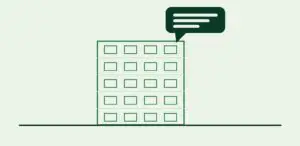
Instead of waiting for a callback, a resident can simply chat with the BMA AI assistant to report a garage door issue or book a move-in. The AI verifies the request against the building’s by-laws, checks the contractor’s availability, and logs the job in seconds. This speed and efficiency are central to the resident-satisfaction results BMA achieves across the Sydney CBD and Eastern Suburbs.
Securing the Future: Cybersecurity in Facilities
As buildings become more connected, they also become targets for digital threats. In 2026, building cybersecurity is a top priority. BMA treats your building’s data with the same rigour as a financial institution.
Our systems are built with “cybersecurity by design,” ensuring that your building’s smart locks, cameras, and lifts are shielded from external interference. When you choose BMA, you aren’t just hiring a building manager; you’re hiring a team of technical specialists dedicated to the physical and digital safety of your community.
Conclusion: Is Your Building Stuck in 2020?
The technological gap between “managed” buildings and “smart-managed” buildings is widening. A building without AI oversight in 2026 is a building that is overpaying for energy, overspending on repairs, and falling behind in property value.
BMA (Building Management Australia) is the bridge to the future. We combine thirty years of Sydney expertise with an advanced, proven technology stack. Let us show you how we can turn your building’s data into your greatest asset.
Frequently Asked Questions
What is predictive maintenance?
Maintenance driven by data instead of failure. Sensors on critical plant — pumps, HVAC, switchboards — monitor vibration, temperature and flow in real time, and when readings drift from normal, a work order is raised before the equipment fails. The result is small scheduled repairs instead of large emergency ones.
Does smart building technology actually lower levies?
It lowers the costs that drive levies: fewer emergency call-outs, longer equipment life, and energy systems that run on occupancy and weather rather than rigid schedules. The savings arrive as reduced maintenance volatility and lower utility bills — which is what gives a committee room to hold levies steady.
What is a digital twin of a building?
A virtual replica of the building, held in the cloud, with every repair, manual and warranty mapped to it. On site it lets the manager locate valves and conduits instantly; for the committee it creates a complete, inspectable record of what was done, where, and with what result.
Doesn’t connecting everything create security risks?
It can, which is why cybersecurity has to be designed in rather than bolted on. Smart locks, cameras and lift systems need the same protection discipline as any other networked system — access control, monitoring and updates — and it’s a fair question to put to any provider proposing connected technology for your building.
Ready to Bring Your Building Into 2026?
Building Management Australia is a Sydney building management firm — not a strata agent. Predictive maintenance, AI-optimised energy, digital records and secured connected systems are how we manage buildings today — alongside your strata manager, with thirty years of Sydney experience behind the technology.
If your building is still running on “wait and break,” request a proposal at bmaus.com.au or email Andrew directly at andrew@bmaus.com.au.
About the Author
Andrew Veron is the founder of Building Management Australia (BMA), an independent Sydney building management firm established in 1995. BMA is a building management company — not a strata agent — providing on-site and visiting building management, facilities management, concierge, cleaning and valet services to residential, commercial and mixed-use properties. Over the past 30 years, Andrew and the BMA team have managed buildings across the Eastern Suburbs, North Sydney, Inner Sydney, Parramatta and the Sydney CBD, with assets currently valued in excess of $3 billion under management. Because BMA is independent of any strata management firm, committees receive unbiased advice and transparent contractor relationships. Reach Andrew at andrew@bmaus.com.au or bmaus.com.au.
This article is general information only. Technology capabilities, savings and outcomes vary by building, systems and circumstances, and specific arrangements are set out in each building’s management agreement.