Sustainability in apartment buildings used to be a nice-to-have. It’s now a mix of genuine cost saving, rising resident expectation, and — increasingly — regulatory obligation.
NSW has made it easier for buildings to install sustainability measures and now expects owners corporations to actively consider them. After thirty years managing Sydney buildings, I’ve watched this shift from fringe to mainstream. Here’s where the real opportunities are, and how a building actually captures them.
It’s a Saving, Not Just a Statement
The common-area energy bill in an apartment building is bigger than most owners realise — lighting, lifts, ventilation, pumps, car park and lobby power run continuously, and the owners corporation pays for all of it. That makes energy efficiency one of the few things that’s genuinely good for the planet and the levies at the same time. Every kilowatt trimmed from common-area consumption is money that stays in the building’s account rather than going to the retailer.
The Rules Have Shifted in Buildings’ Favour
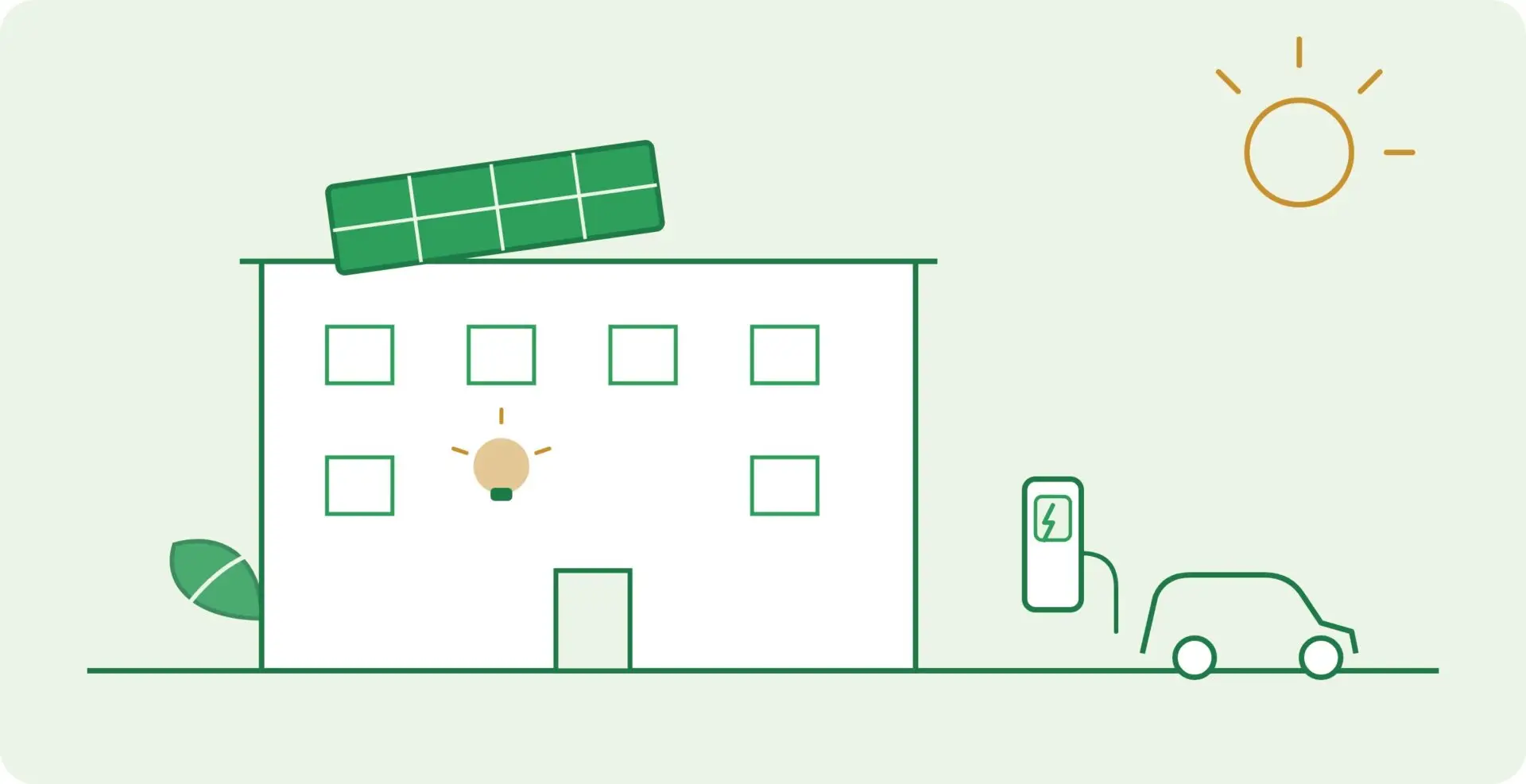
NSW has deliberately made sustainability easier to adopt in strata. Measures that qualify as ‘sustainability infrastructure’ — solar, EV charging and similar — can now be approved by a simple majority rather than the old 75% special resolution, removing the biggest historical barrier. Owners corporations are also now expected to consider environmental sustainability at each annual general meeting, so it’s no longer something a committee can simply never put on the agenda. The regulatory direction is clearly toward more sustainable buildings, not less.
Where the Opportunities Are
Solar
Rooftop solar can offset common-area power — lighting, lifts, pumps — and in the right building pays back within a few years. The key questions are roof space, orientation, how the common-area load profile matches solar generation, and how the benefit is shared. It’s become one of the most popular sustainability upgrades in strata precisely because the savings are tangible.
Lighting and Equipment Efficiency
Often the fastest, cheapest win: upgrading common-area lighting to efficient LEDs with sensors and timers, and making sure pumps, ventilation and other plant run efficiently. Low-glamour, high-return — the kind of change that quietly lowers the bill without anyone noticing except the treasurer.
EV Charging Infrastructure
Increasingly part of the sustainability conversation, and covered by the same favourable approval rules. Planning the electrical backbone for EV charging is both a resident amenity and a future-proofing move, and it interacts with the building’s overall energy strategy.
A Word on Embedded Networks
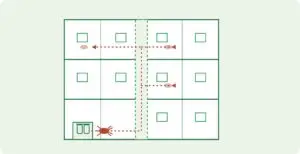
Some apartment buildings operate embedded networks — where the building buys energy in bulk and on-sells it to residents. These can offer savings but are complex, and transparency has become a regulatory focus: details of embedded (exclusive supply) networks now have to be disclosed in strata information certificates, so prospective buyers can see what they’re signing up to. If your building has, or is considering, an embedded network, it’s worth understanding the arrangement and its obligations properly rather than assuming it’s simply cheaper.
Where to Start
Sustainability upgrades work best as a plan rather than a scattering of one-offs. The sensible sequence:
- Understand your baseline — what the common-area energy bill actually is and where it goes.
- Pick the quick wins first — lighting and equipment efficiency usually pay back fastest.
- Assess the bigger measures — solar and EV infrastructure — with proper feasibility, including how costs and benefits are shared.
- Check for grants and incentives, which change over time but can meaningfully offset upfront cost.
- Fold it into capital works planning so upgrades are funded sensibly rather than as surprise levies.
Where a Building Manager Fits In
Sustainability is where strategy meets the switchboard, and the delivery is building-management work. We help identify where the common-area energy actually goes, coordinate feasibility studies and the contractors who install solar, lighting and efficiency upgrades, manage the systems day to day, track grant timing, and keep the measures performing rather than degrading unnoticed. The owners corporation makes the investment decisions and the strata manager handles the resolutions and any embedded-network governance; the building manager turns a good sustainability intention into kilowatts and dollars actually saved. As with any major measure, specialist advice — energy consultants, electricians, and lawyers for embedded networks — has its place alongside good building management.
Frequently Asked Questions
Do we need a special resolution to install solar or EV charging?
No — measures that qualify as sustainability infrastructure in NSW, such as solar and EV charging, can now be approved by a simple majority rather than the old 75% special resolution. That change was made specifically to remove the barrier that used to stop these upgrades. Owners corporations are also now expected to consider sustainability at each AGM.
Is solar worth it for an apartment building?
Often yes, for offsetting common-area power — lighting, lifts, pumps — where roof space and orientation suit and the generation matches the building’s load profile. Payback in the right building is typically a few years. It needs proper feasibility, including how the benefit is shared, but it’s become one of the most popular strata upgrades because the savings are real.
What’s the easiest sustainability win?
Usually common-area lighting and equipment efficiency — LED upgrades with sensors and timers, and making sure pumps and ventilation run efficiently. These tend to be the cheapest to do and the fastest to pay back, lowering the common-area bill with minimal disruption.
What are embedded networks and should we be cautious?
An embedded network is where a building buys energy in bulk and on-sells it to residents. They can offer savings but are complex, and transparency is now a regulatory focus — embedded-network details must be disclosed in strata information certificates. If your building has or is considering one, understand the arrangement and its obligations properly, ideally with specialist advice.
Want to Turn Sustainability Into Savings?
Building Management Australia is a Sydney building management firm — not a strata agent. We help buildings capture real energy savings: understanding where the common-area power goes, coordinating solar, lighting and efficiency upgrades, and keeping them performing — alongside your strata manager, who handles the resolutions.
If your committee wants lower bills and a more sustainable building, request a proposal at bmaus.com.au or email Andrew directly at andrew@bmaus.com.au.
About the Author
Andrew Veron is the founder of Building Management Australia (BMA), an independent Sydney building management firm established in 1995. BMA is a building management company — not a strata agent — providing on-site and visiting building management, facilities management, concierge, cleaning and valet services to residential, commercial and mixed-use properties. Over the past 30 years, Andrew and the BMA team have managed buildings across the Eastern Suburbs, North Sydney, Inner Sydney, Parramatta and the Sydney CBD, with assets currently valued in excess of $3 billion under management. Because BMA is independent of any strata management firm, committees receive unbiased advice and transparent contractor relationships. Reach Andrew at andrew@bmaus.com.au or bmaus.com.au.
This article is general information only and is not legal or financial advice. Strata sustainability rules, embedded-network obligations and grant programs change; owners corporations should confirm the current position and obtain specialist advice before major decisions.