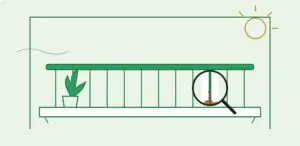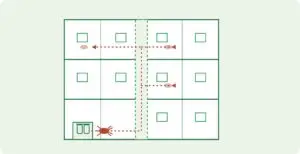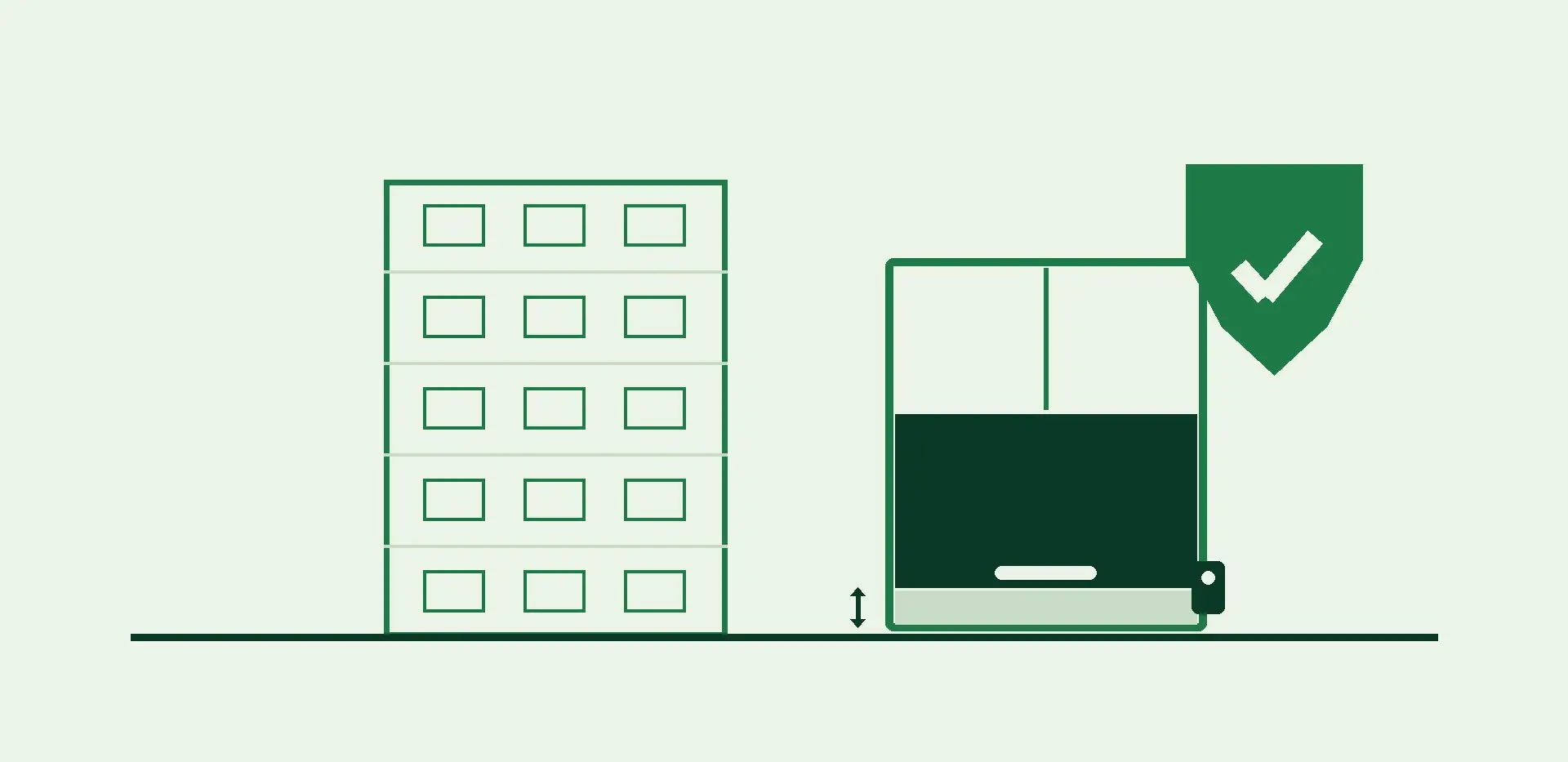
It’s one of the quieter strata obligations, and one of the most important: NSW strata buildings are legally required to have child-safe window devices fitted to certain windows.
Many committees aren’t fully aware of it, or assume it was handled years ago. After thirty years managing Sydney buildings, I can tell you it’s worth checking properly — the rules are specific, the duty sits with the owners corporation, and the consequences of getting it wrong range from fines to something far worse. Here’s the plain-English version.
The Obligation
Since 13 March 2018, residential strata schemes in NSW have been required to have compliant window safety devices fitted to applicable windows. The law was introduced as a child-safety measure — every year children fall from windows and balconies in multi-storey buildings, sometimes fatally — and unusually, it was made retrospective, so it applies to existing buildings, not just new ones.
The duty to install and maintain devices on common property windows sits with the owners corporation. It’s not optional, and ‘we didn’t know’ is not a defence.
Which Windows Are Caught?
Not every window needs a device — only those that present a genuine fall risk to a child. A window is caught when both of these are true:
- The lowest point of the window opening is more than 2 metres above the surface outside (so there’s a real fall), and
- The lowest point of the opening is less than 1.7 metres above the floor inside (so it’s within a child’s reach).
Windows that sit higher than 1.7 metres above the internal floor generally don’t need a device, because a child can’t readily reach them.
What the Device Has to Do
A compliant device must:
- Limit the window opening to no more than 12.5 centimetres when engaged.
- Be child-resistant — not something a young child can easily release.
- Withstand a force of 250 newtons (roughly 25 kilograms of pressure).
Importantly, the window can still open and close fully when the device is disengaged — the restrictor is there to be engaged when children are present. Bars, grilles or sturdy mesh screens can be used instead, provided gaps are under 12.5 centimetres and they meet the strength requirement. Ordinary flyscreens do not comply — they look like protection but won’t stop a child falling through, which is arguably worse than nothing.
Who Pays, and Who Can Install
The owners corporation is responsible for installing and maintaining devices on common property windows, and generally funds this through the administrative fund (with larger jobs sometimes planned through the capital works fund). The owners corporation also has a right of entry to carry out the work, and owners must provide reasonable access — obstructing that access can itself attract a penalty.
Lot owners are entitled to install window safety devices in their own lot, and can do so regardless of the scheme’s by-laws. Some schemes pass a by-law that allocates responsibility, so it’s worth checking what your building has in place.
The Penalty for Non-Compliance
An owners corporation that fails to comply can be fined — reported at up to $550 — and owners who obstruct compliance can be fined too. But the fine is the least of it. The real exposure is a child being injured in a building that wasn’t compliant, and the liability and insurance consequences that follow. This is one obligation where the cost of compliance is trivial next to the cost of getting it wrong.
On the Horizon
Worth knowing: the NSW Government has been reviewing this area, with proposals that could tighten requirements — including the possibility of regular window-safety audits for strata schemes and extending mandatory devices to a wider range of homes. None of that is settled law at the time of writing, but the direction suggests the obligation is more likely to grow than shrink. A building that’s already properly compliant has nothing to fear from it.
Where a Building Manager Fits In
This is exactly the kind of obligation that quietly lapses without someone tracking it. The practical work — auditing which windows are actually caught by the rules, arranging compliant installation, repairing devices that break through wear and tear, coordinating access with residents, and keeping records that prove compliance — is building-management work. The owners corporation holds the legal duty; the building manager makes sure it’s actually met and stays met, working alongside the strata manager. If your scheme has never had its windows properly audited against the criteria above, that’s the place to start.
Frequently Asked Questions
Does every window in our building need a safety device?
No — only windows that are both more than 2 metres above the outside surface and less than 1.7 metres above the inside floor. Windows higher than 1.7 metres above the internal floor generally don’t need one. The right first step is an audit that identifies exactly which windows are caught.
Do flyscreens count as window safety devices?
No. Ordinary flyscreens are not strong enough to stop a child falling and do not comply. A compliant device must limit the opening to 12.5 centimetres and withstand 250 newtons of force. Bars, grilles or robust mesh screens can comply if they meet those requirements.
Who is responsible — the owners corporation or the lot owner?
For common property windows, the owners corporation is responsible for installing and maintaining devices. Lot owners can also install devices in their own lot regardless of by-laws. Some schemes adjust responsibility by by-law, so check what yours says — but the underlying obligation rests with the owners corporation.
What happens if we’re not compliant?
The owners corporation can be fined, and more significantly, faces serious liability and insurance exposure if a child is injured. Given how inexpensive compliance is, there’s no good reason to leave it unaddressed. If you’re unsure of your status, get the windows audited.
Not Sure If Your Building Is Compliant?
Building Management Australia is a Sydney building management firm — not a strata agent. Auditing windows against the safety-device criteria, arranging compliant installation and repairs, coordinating access and keeping the compliance records straight is core building-management work, and we do it alongside your strata manager.
If your scheme has never confirmed its window safety compliance, request a proposal at bmaus.com.au or email Andrew directly at andrew@bmaus.com.au.
About the Author
Andrew Veron is the founder of Building Management Australia (BMA), an independent Sydney building management firm established in 1995. BMA is a building management company — not a strata agent — providing on-site and visiting building management, facilities management, concierge, cleaning and valet services to residential, commercial and mixed-use properties. Over the past 30 years, Andrew and the BMA team have managed buildings across the Eastern Suburbs, North Sydney, Inner Sydney, Parramatta and the Sydney CBD, with assets currently valued in excess of $3 billion under management. Because BMA is independent of any strata management firm, committees receive unbiased advice and transparent contractor relationships. Reach Andrew at andrew@bmaus.com.au or bmaus.com.au.
This article is general information only and is not legal advice. Requirements and penalties are set by legislation and may change; owners corporations should confirm current obligations with NSW Fair Trading or a qualified adviser.