One owner’s bathroom renovation can become the whole building’s problem — and if the waterproofing is done badly, a leak into the apartment below two years later.
Tradespeople in the lifts, noise for weeks, debris in the common areas. Renovations are a normal part of apartment life, but they touch shared property and shared patience in ways a house renovation never does. After thirty years managing Sydney buildings, here’s how good management lets owners improve their homes without the building paying the price.
Why Renovations Are a Building Issue, Not Just an Owner’s
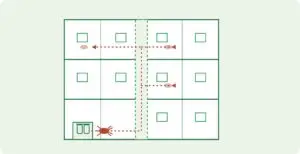
In a house, a renovation affects one household. In an apartment, it happens inside a structure everyone shares — the tradespeople use common lifts and corridors, the noise carries to neighbours, the debris moves through shared areas, and the work often touches or relies on common property. A poorly managed renovation can damage common property, disturb the whole building, and — in the case of waterproofing especially — create expensive problems that surface long after the work is done. That’s why renovations sit at the intersection of an owner’s rights and the building’s protection.
The Three Categories of Renovation in NSW
NSW strata law broadly sorts renovations into three categories, with different approval requirements. At a general level:
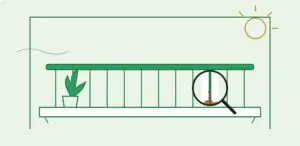
- Cosmetic work — minor changes like painting, filling holes, or installing handrails — generally doesn’t need the owners corporation’s approval.
- Minor renovations — things like changing floor coverings or renovating a kitchen — typically need the owners corporation’s approval, which can be handled by the owners corporation (or delegated), rather than a full meeting vote in every case.
- Major works — work affecting the structure, waterproofing or the external appearance of the building — generally require formal approval by the owners corporation, often by special resolution and a by-law.
The exact category and approval path for any given job is a matter for the owners corporation and strata manager — and, where it’s unclear, a strata lawyer. What matters operationally is that the right approval is in place before work starts, and that the work is then done without harming the building.
Protecting Common Property During the Work
This is where day-to-day management earns its keep. Whatever the approval, a renovation needs to be run so the building comes through it undamaged:
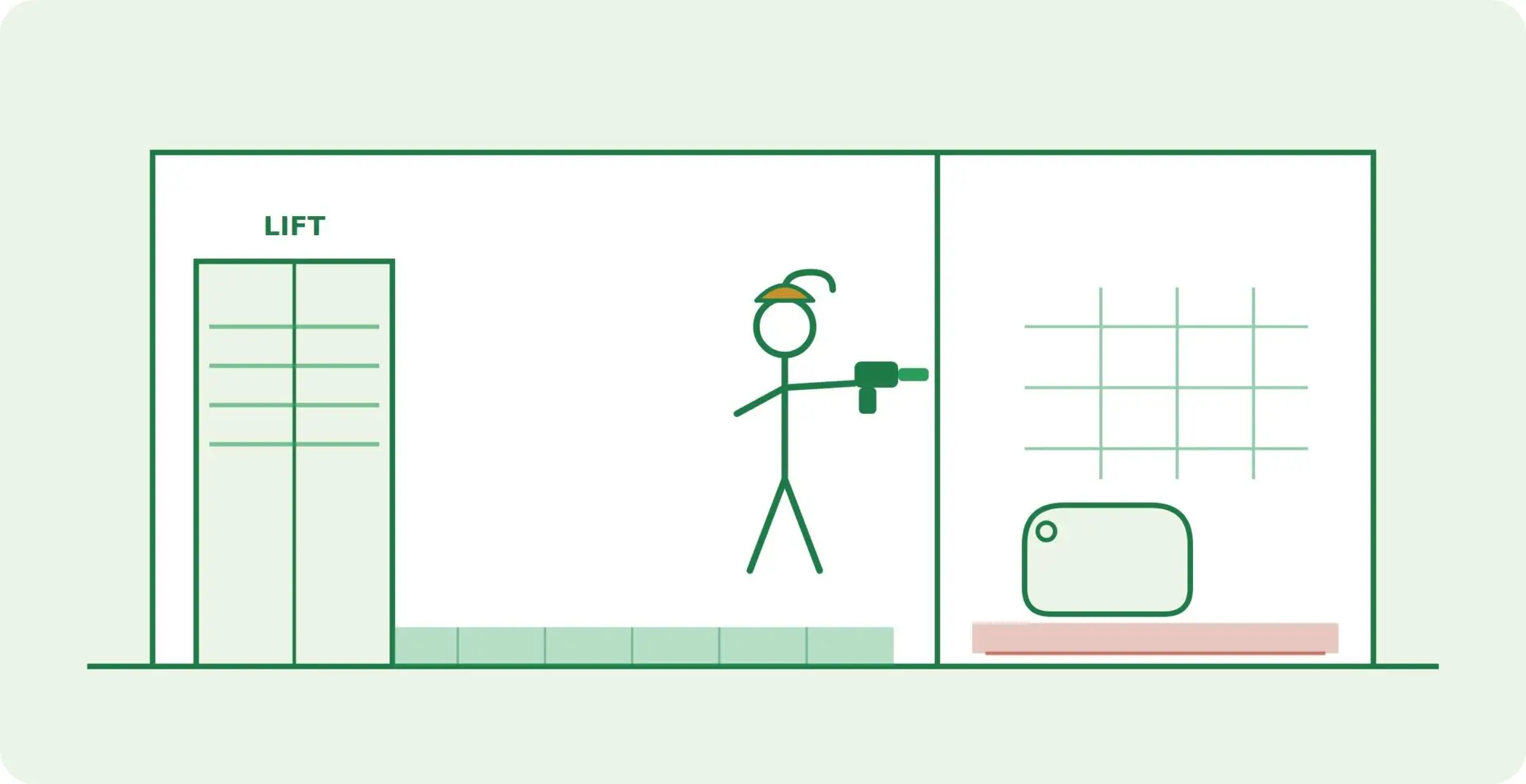
- Protecting lifts, lobbies and corridors from damage as materials and debris move through — lift blankets, floor protection, agreed routes.
- Setting and enforcing work hours so noise is contained to reasonable times and neighbours aren’t disturbed for weeks on end.
- Managing tradesperson access and security, so the building isn’t left open and contractors aren’t roaming unaccounted-for.
- Managing debris and waste removal so the common areas don’t become a building site.
- Keeping an eye on work that touches common property or waterproofing, because that’s where a bad renovation becomes the building’s expensive problem later.
The Waterproofing Warning
If there’s one part of a renovation worth watching, it’s waterproofing. Bathroom and balcony renovations that disturb or rely on waterproofing are the source of many of the worst leaks in strata — and because the membrane is often common property, a botched job can leave the building, not just the owner, dealing with the consequences. Making sure waterproofing work is done properly and by qualified trades is one of the most valuable checks in the whole process.
Keeping the Neighbours Onside
Much of the friction around renovations isn’t about the work itself — it’s about surprise and disruption. Neighbours who are told what’s happening, for how long, and within what hours are far more patient than those hit with unexplained weeks of drilling. Clear communication and enforced conditions keep renovations from turning into neighbour disputes, which is better for everyone including the renovating owner.
Where a Building Manager Fits In
Renovations are squarely operational, and that’s the building manager’s role. We make sure the required approval is in place before work starts, protect the common property during the work, manage tradesperson access and security, enforce work hours and debris rules, keep an eye on anything touching common property or waterproofing, and keep neighbours informed. The owners corporation and strata manager handle the approvals, by-laws and any category questions; the building manager makes sure the work happens without the building or its residents paying for one owner’s renovation. Done well, owners get to improve their homes and the building stays undamaged and peaceful.
Frequently Asked Questions
Does an owner need approval to renovate their apartment?
It depends on the work. Cosmetic work generally doesn’t need approval; minor renovations typically need the owners corporation’s approval; and major works affecting structure, waterproofing or external appearance generally require formal approval, often by special resolution. The exact category and path is a matter for the owners corporation and strata manager — but the key operational point is that the right approval must be in place before work begins.
What can go wrong when an owner renovates?
Damage to common property as materials move through shared areas, weeks of noise disturbing neighbours, security gaps from uncontrolled tradesperson access, and — most costly — botched waterproofing that leaks into other apartments later. Because waterproofing membranes are often common property, a bad renovation can become the whole building’s expensive problem.
Who is responsible if a renovation damages common property?
Generally the renovating owner is responsible for damage their work causes, and conditions of approval usually make this explicit. In practice, preventing the damage — through protection, supervision and enforced conditions — is far better than arguing over responsibility afterward, which is why active management during the work matters.
How do we stop renovations disturbing the whole building?
Set and enforce clear conditions — work hours, access routes, debris management — and communicate with neighbours about what’s happening and for how long. Most renovation friction comes from surprise and unmanaged disruption, both of which good day-to-day management prevents.
Renovations That Don’t Cost the Building
Building Management Australia is a Sydney building management firm — not a strata agent. Protecting common property during renovations, managing tradesperson access, enforcing conditions and keeping neighbours onside is core building-management work, and we handle it alongside your strata manager, who looks after approvals and by-laws.
If renovations in your building tend to cause damage or disputes, request a proposal at bmaus.com.au or email Andrew directly at andrew@bmaus.com.au.
About the Author
Andrew Veron is the founder of Building Management Australia (BMA), an independent Sydney building management firm established in 1995. BMA is a building management company — not a strata agent — providing on-site and visiting building management, facilities management, concierge, cleaning and valet services to residential, commercial and mixed-use properties. Over the past 30 years, Andrew and the BMA team have managed buildings across the Eastern Suburbs, North Sydney, Inner Sydney, Parramatta and the Sydney CBD, with assets currently valued in excess of $3 billion under management. Because BMA is independent of any strata management firm, committees receive unbiased advice and transparent contractor relationships. Reach Andrew at andrew@bmaus.com.au or bmaus.com.au.
This article is general information only and is not legal advice. Renovation categories and approval requirements are set by legislation and your scheme’s by-laws; owners and owners corporations should obtain advice specific to their circumstances.