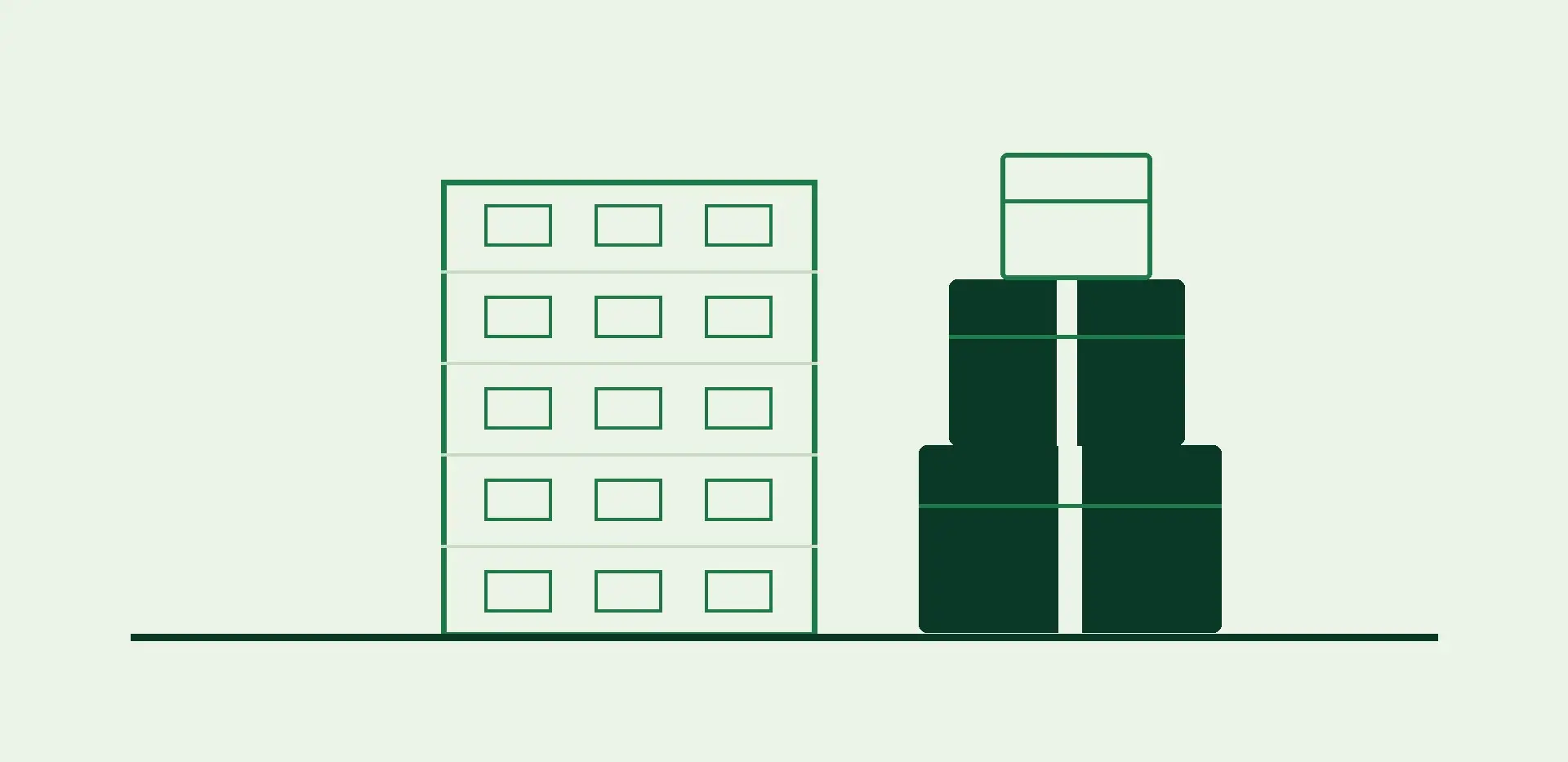
Moving in and out of an apartment is a different experience to a house.
There are shared lobbies, lifts, stairwells, hallways, underground car parks and multiple access points to navigate, and other residents to negotiate. And those ‘moving day’ stories — like lift doors opening with no-one inside except for boxes stacked to the ceiling, and hallways turned into obstacle courses of furniture — can make anyone a little nervous about an upcoming move.
All BMA building managers follow an effective, tried-and-tested protocol that’s been agreed on by their building’s strata committee and strata manager and is designed to make the process smoother for residents, those moving, and their removalists. Maintaining the peace is crucial.
“Our building managers know exactly how to facilitate moving in and out,” says Ben Mees, BMA General Manager. “You have to think of others, and it’s vital to establish the protocols that keep the peace on moving day and beyond. When a move goes without incident and doesn’t inconvenience residents, everyone is happier. When the building’s property is damaged or common areas blocked for extended periods, it causes issues and can be an added expense.”
1. Making a Booking
Our building managers ask residents to provide notification of their move prior to moving day. Most schemes require advance notice of moves under their by-laws — commonly around 14 days.
Locking in a moving slot ensures the date and time doesn’t coincide with repairs or maintenance to lifts and common areas, or with other residents’ moves. “This way, crowding in hallways and parking areas, and long waits for lifts are avoided, ensuring a smooth process,” says Mees.
With the moving slot locked in, all residents are then notified so they can plan accordingly. In addition, our building managers record details of the move, including owner/tenant names and apartment number, contact information, removal company name and, if renting, a copy of the lease. “This only takes a few minutes but can save considerable time and money on the day of the move, and it means no prior damage can be attributed to their move,” says Mees.
They also advise the best parking areas for the removalist truck(s), and provide the underground car park’s maximum height restriction.
2. Safety and Security First
The safety of residents, visitors and contractors is crucial, and our building managers have clear responsibilities to ensure this. Their role includes:
- Checking the removalist company’s public liability insurance certificate of currency.
- Providing access to the carpark and the building for the removalists, and providing specific parking for trucks.
- Outlining the dedicated lift and hallways to use during the move.
- Providing lift keys, which hold the doors open so the lift can be loaded at the removalists’ own pace.
- Providing lift blankets to cover the walls of the lift when furniture is being moved up or down.
- Ensuring protective materials are used to protect floors.
Our building managers monitor every move, ensuring removalists keep to the dedicated routes, don’t block passageways, take care with large pieces of furniture and white goods, and don’t leave unattended items in thoroughfares and lifts that can pose a tripping or obstruction risk.
3. Maintaining ‘House Rules’
Every strata scheme has a set of default rules that cover things like reasonable noise limits, not using the property in hazardous or illegal ways, and not making unauthorised changes to the unit. There are also ‘house rules’ that are specific to the development. Our building managers ensure that residents abide by these house rules — and that includes the protocols relating to moving in and out.
4. Leaving Nothing Behind
BMA building managers also ensure those moving in or out don’t leave old, broken or simply unwanted property in the building’s common areas. If an item is left, they promptly organise its removal, at the tenant’s or owner’s cost.
Frequently Asked Questions
How much notice do I need to give before moving into an apartment building?
Check your building’s by-laws and moving protocol — most schemes require advance notice, commonly around 14 days, so the building manager can book your slot, reserve the lift and notify other residents. Booking early also gets you the time slot you want rather than the one that’s left.
Why do buildings require moves to be booked?
So moves don’t collide with lift maintenance, common-area works or other residents’ moves — and so the building can prepare: dedicated lift, protective coverings, truck parking. An unbooked move means crowded hallways, long lift waits and a much higher chance of damage that then has to be argued over.
Who is responsible if the removalists damage common property?
Generally the moving resident is responsible for damage caused by their move, which is why building managers record the move’s details beforehand and check the removalist’s public liability insurance. Recording the building’s condition before the move also protects the resident — no prior damage can be attributed to them.
What happens to furniture left behind in common areas?
It gets removed promptly — at the departing tenant’s or owner’s cost. Common areas aren’t a disposal point, and unwanted items left in thoroughfares are an obstruction and safety risk, so building managers organise removal quickly rather than letting items accumulate.
Moving Days Without the Mayhem
Building Management Australia is a Sydney building management firm — not a strata agent. Booked moving slots, protected lifts and floors, insured removalists, monitored moves and common areas left exactly as they were found is core building-management work, and we handle it alongside your strata manager.
If moving days cause chaos and damage in your building, request a proposal at bmaus.com.au or email Andrew directly at andrew@bmaus.com.au.
About the Author
Andrew Veron is the founder of Building Management Australia (BMA), an independent Sydney building management firm established in 1995. BMA is a building management company — not a strata agent — providing on-site and visiting building management, facilities management, concierge, cleaning and valet services to residential, commercial and mixed-use properties. Over the past 30 years, Andrew and the BMA team have managed buildings across the Eastern Suburbs, North Sydney, Inner Sydney, Parramatta and the Sydney CBD, with assets currently valued in excess of $3 billion under management. Because BMA is independent of any strata management firm, committees receive unbiased advice and transparent contractor relationships. Reach Andrew at andrew@bmaus.com.au or bmaus.com.au.
This article is general information only and is not legal advice. Notice periods and moving protocols are set by each scheme’s by-laws and house rules; residents and owners corporations should check the requirements that apply to their building.