Power outage announcements ignite a period of intensive planning and preparation for our building managers, to reduce the impact on residents’ safety, security and lifestyle.
And while all our building managers are highly experienced in managing power outages, every building is different and every outage brings a different set of challenges.
The Impact of Power Outages in Multi-Level Buildings
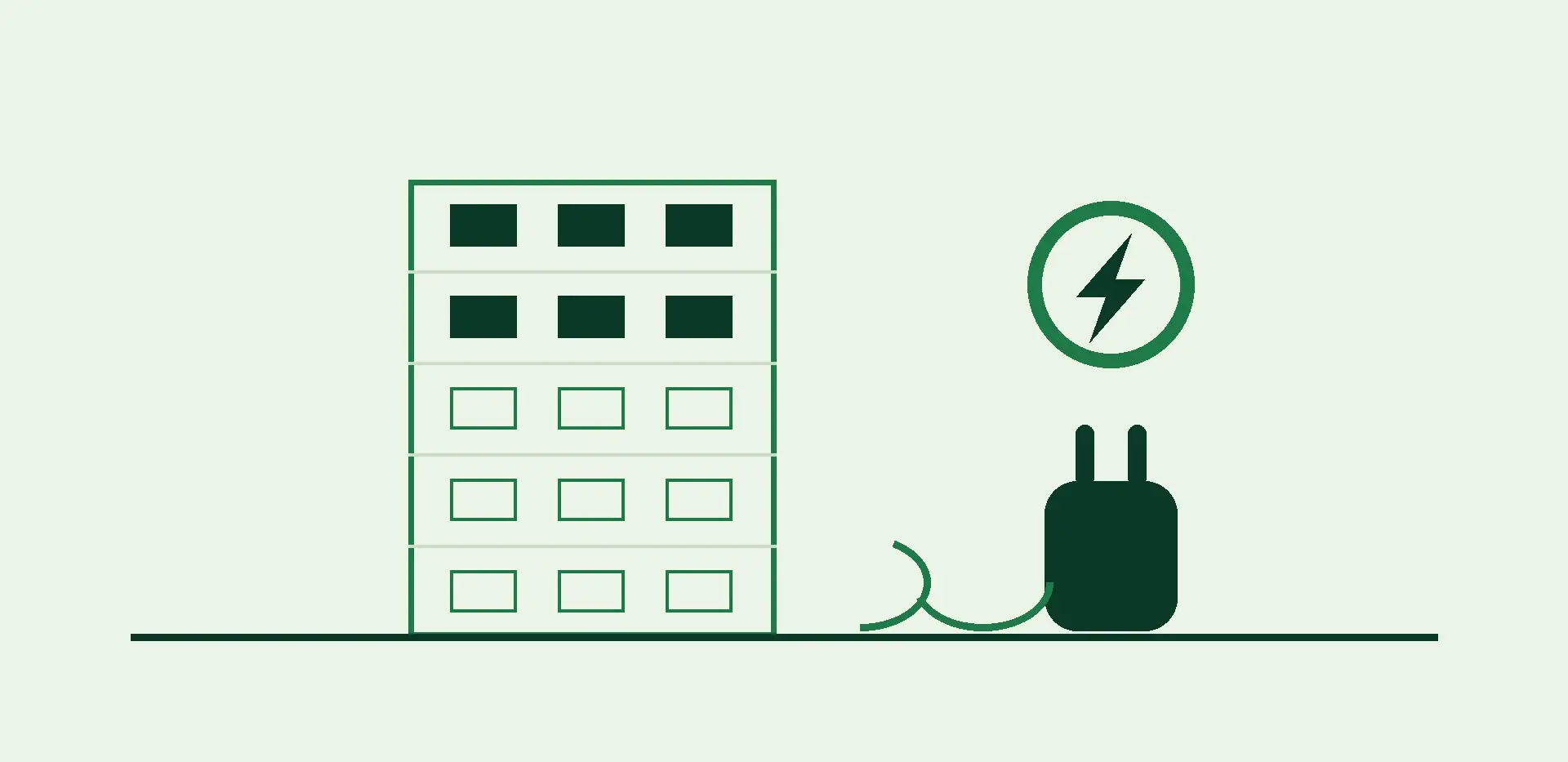
Power outages in multi-level buildings are more than a temporary inconvenience; they can compromise safety and security and can be costly, as an alternate source of power is sometimes required and sudden shutdowns can damage the building’s systems and machinery, such as the HVAC, water pumps, and lifts.
So it’s not surprising that notifications of power outages of any duration from Ausgrid spark a military-style operation by our building managers, who with the backing of our General Manager and Operations Manager, immediately start to plan strategies to reduce the impact on everyone living, visiting and working in their buildings.
Proactive Measures by BMA Building Managers
One of the first steps our building managers take is to notify the building’s Strata Committee of the proposed power outage and meet with them to discuss considerations and how they will manage the outage. “Our Building Managers understand the importance of collaboration in these situations and liaise closely with strata management and owners committees, which gives everyone peace of mind,” says Building Management Australia Director, Andrew Veron.
Collaboration Vital
In multi-level buildings, power outages, even those that take place during the ‘quiet’ hours of midnight to 5am, require considerable planning and management by the building manager. This can include:
- Checking or providing emergency lighting.
- Hiring an electrician for the shutdown and restart of the HVAC, water pumps and lifts.
- Hiring security guards to keep the building secure.
- Arranging for service support from the lift and fire protection system providers.
Mitigating Costs and Disruptions
For diverse mixed-use buildings like the Building Management Australia-managed World Tower low-rise, which extends from level 11 (street level) to level 37, even a short power outage requires collaboration with many stakeholders, extensive planning in the lead up, and hands-on management during the outage to ensure the many systems and machinery shut down and start up without issue, and adequate access and security is maintained.
“The World Tower can have thousands of people ‘in house’ at any one time, and there’s multiple access points and elevators to consider. Good planning and preparation are crucial to ensure a smooth outcome. On the evenings of the power outages at the World Tower, we had a team of specialists at the ready, as well as the Building Management team,” explains Andrew Veron.
Power outages that last longer than a few hours can be costly events for owners as an alternative power supply is required. An example was when Ausgrid notified the Aston Apartments strata management in late 2020 of a seven-day power outage, which meant the Sydney CBD building’s owners were facing a cost of around $20,000 for a diesel generator to provide power — plus the constant noise and fumes for an entire week.
“Faced with such a disruptive, long and costly outage, we decided to secure a change in the duration of the proposed outage. Negotiating with Ausgrid is time-consuming — and challenging — but our team is experienced with dealing with external providers and were successful in reducing the outage from a full week of no power — a total of 168 hours — to just three hours of no power and 15 hours of low power, enabling the building’s essential facilities and services to operate, such as lights, doors, fire and security systems and lifts,” says Andrew. “This reduction in outage duration also meant a costly noisy generator would no longer be required.”
Frequently Asked Questions
What happens in an apartment building during a power outage?
More than most residents expect: lifts stop, security and access systems can fail, water pumps may cut out, and HVAC shuts down. In a multi-level building, each of those affects everyone at once — which is why a planned outage triggers detailed preparation rather than a notice on the door and hope.
Why do building systems need a managed shutdown and restart?
Because sudden power loss and restoration can damage plant — HVAC, water pumps and lifts in particular. A managed outage has an electrician shutting systems down in the right order beforehand and restarting them properly afterwards, with the lift and fire protection providers on call so nothing comes back online faulty.
Can a planned outage be negotiated with the network provider?
Sometimes, yes — timing, duration and the form an outage takes can all be discussed, though negotiating with a network provider is slow and demanding work. In BMA’s experience it can be worth it: one proposed week-long outage was reduced to three hours of no power and 15 hours of low power, sparing owners a five-figure generator bill.
What should residents be told before an outage?
What’s happening, when, for how long, and what it means for them — lifts, access, water, parking. Early, specific notice lets residents plan around the disruption, and it’s the difference between a building that takes an outage in its stride and one fielding complaints for a week.
Is Your Building Ready for Its Next Outage?
Building Management Australia is a Sydney building management firm — not a strata agent. Planning outages end to end — notifying and coordinating with the strata committee, managing shutdowns and restarts, arranging security and emergency lighting, and dealing with the network provider — is core building-management work, and we handle it alongside your strata manager.
If outages in your building tend to become a scramble, request a proposal at bmaus.com.au or email Andrew directly at andrew@bmaus.com.au.
About the Author
Andrew Veron is the founder of Building Management Australia (BMA), an independent Sydney building management firm established in 1995. BMA is a building management company — not a strata agent — providing on-site and visiting building management, facilities management, concierge, cleaning and valet services to residential, commercial and mixed-use properties. Over the past 30 years, Andrew and the BMA team have managed buildings across the Eastern Suburbs, North Sydney, Inner Sydney, Parramatta and the Sydney CBD, with assets currently valued in excess of $3 billion under management. Because BMA is independent of any strata management firm, committees receive unbiased advice and transparent contractor relationships. Reach Andrew at andrew@bmaus.com.au or bmaus.com.au.
This article is general information only. The examples described reflect BMA’s experience managing particular buildings and outages; outage arrangements, costs and network-provider processes vary by building and circumstance.