The Building Manager’s Role Has Changed
For many years, some owners corporations viewed the building manager as the person who walked the site, opened doors for contractors, checked bins, reported leaks and handled day-to-day resident issues.
That view is now too narrow.
Modern strata buildings are more complex, more regulated and more expensive to maintain than ever before. Committees are dealing with rising insurance costs, ageing assets, defect issues, fire safety requirements, contractor accountability, resident expectations and new NSW strata reforms.
A good building manager is no longer just a caretaker.
A good building manager is the operational link between the strata committee, the strata manager, contractors, residents and the long-term health of the building.
NSW Strata Reform Has Raised Expectations
The NSW strata landscape has been changing through staged reforms. From 27 October 2025, building and facilities managers became subject to stronger statutory duties, including obligations to act honestly and in the best interests of the owners corporation, report maintenance and safety issues, and disclose relevant benefits or relationships.
From 1 April 2026, NSW also introduced new requirements around 10-year capital works fund plans, including the use of a standard form when plans are prepared or updated. These plans are intended to help owners corporations identify, budget and plan for major repair, maintenance and replacement costs across common property.
This means strata committees now need better information, better records and better forward planning.
The days of informal maintenance management are disappearing.
Why This Matters for Strata Committees
Most committee members are volunteers. They may have professional skills, but they are not usually on site every day. They rely on clear reporting, accurate maintenance records and practical guidance to make good decisions.
Without a structured building management process, problems can easily be missed.
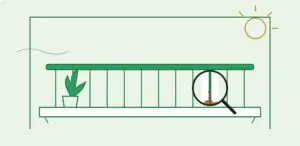
A leaking planter box can become a waterproofing dispute.
A poorly maintained pump can become an emergency call-out.
A contractor who is not properly checked can create insurance or WHS risk.
A capital works plan that is not connected to the real condition of the building can lead to underfunding, special levies and resident frustration.
The building manager’s role is to bring order to that complexity.
The Building Manager Is the Eyes and Ears of the Building
A proactive building manager should understand the building at ground level.
That includes plant rooms, fire systems, lifts, car parks, common areas, access control, waste rooms, cleaning standards, contractor attendance, resident movement, by-law issues and ongoing maintenance risks.
But observation alone is not enough.
The real value comes from documenting what is seen, reporting it clearly, following up action items and helping the committee make informed decisions.
BMA’s scope of building management services includes transition planning, handover document review, reporting to committees and strata managers, contractor management, work orders, invoice review, asset registers, preventative maintenance coordination, WHS systems, by-law monitoring, security audits, site inspections and regular communication with stakeholders.
That is the difference between reactive management and structured management.
Contractor Management Is Now a Major Risk Area
Contractors are essential to every strata building.
Cleaners, lift technicians, fire contractors, plumbers, electricians, gardeners, security providers and specialist consultants all play a role in keeping a building operational.
But contractors also need to be managed.
Committees should know:
Are contractors properly licensed and insured?
Are Safe Work Method Statements being collected where required?
Are contractors signing in and out?
Are service contracts being reviewed before rollover?
Are invoices checked against completed work?
Are contractor costs still competitive?
Are recurring issues being properly investigated?
BMA’s internal service model places strong emphasis on contractor registration, insurance checks, work order control, post-work reporting and annual review of active service contracts.
This is not administration for the sake of administration.
It protects the owners corporation.
Reporting Is No Longer Optional — It Is Central to Good Governance
A committee cannot manage what it cannot see.
Good reporting should give committee members a clear picture of what is happening in the building. It should identify completed works, outstanding issues, safety concerns, contractor performance, upcoming maintenance, resident matters, by-law issues and recommendations.
BMA’s proposal material places strong emphasis on monthly reporting, maintenance updates, WHS reporting, photographs, task tracking and committee communication through platforms such as MYBOS, BuildingLink and Building Manager.
A strong report should not simply list activity.
It should help the committee make decisions.
That means giving context, identifying urgency, explaining options and showing what requires approval.
Capital Works Planning Needs Real Building Knowledge
The 10-year capital works fund plan is not just a document that sits in a folder.
It should be connected to the actual condition of the building.
If the building manager is seeing ongoing water ingress, worn membranes, ageing pumps, failing doors, rising repair calls or repeated lift issues, that information should feed into long-term planning.
From 1 April 2026, NSW strata schemes must use the standard form for new or reviewed 10-year capital works fund plans.
That makes the building manager’s records even more valuable.
A committee that receives consistent inspection reports and maintenance histories is in a far better position to budget properly, avoid surprises and explain levy decisions to owners.
Communication Can Make or Break a Building
Many building issues become bigger because communication fails.
Residents do not know who to contact.
Contractors attend without notice.
Owners feel ignored.
Committees are not updated.
Strata managers are left chasing basic information.
A building manager should reduce friction, not create more of it.
BMA’s service approach places communication at the centre of building operations, using building management systems, notices, direct stakeholder liaison, committee reports and relationship management support to keep residents, contractors, strata managers and committees aligned.
In a well-managed building, communication is not random.
It is structured.
Independence Matters
One of the major themes in strata reform and industry discussion is transparency.
Committees want confidence that decisions are being made in the owners corporation’s interests — not because a contractor, supplier or third party has a hidden commercial relationship.
Recent NSW discussion around strata commissions has shown how sensitive owners are to conflicts, disclosure and cost transparency, particularly as strata living becomes a larger part of Sydney’s housing future.
For building management, independence is critical.
BMA’s proposal material states that it does not take commissions, does not accept contractor payments and is not owned or affiliated with strata companies, developers or contractors.
That message matters because committees need trust.
The First 30 Days Are Critical
When a new building manager takes over, the first month should not be casual.
It should involve a structured transition.
That includes reviewing handover documents, meeting the committee and strata manager, understanding invoice approval procedures, reviewing defects and work orders, checking contractor records, reviewing access systems, inspecting common property and establishing reporting expectations.
BMA’s scope of work notes that the transition process should begin no later than two weeks before commencement, with handover documents reviewed and audited, procedures established with the committee and strata manager, and progress updates provided where required.
The handover period sets the tone.
If the first month is disorganised, the building starts behind.
If the first month is structured, the committee quickly gains control.
The New Standard for Building Management
The modern building manager must be practical, visible and responsive.
But that is only the starting point.
Today’s strata buildings need managers who can document, communicate, report, escalate, coordinate contractors, manage risk, support compliance and help committees think beyond the next repair.
That is where professional building management creates value.
Not just by responding when something breaks.
But by helping the owners corporation understand the building, protect the asset and plan ahead.
Final Thought
A building is one of the largest collective investments an owners corporation will ever manage.
The building manager is often the person closest to the daily reality of that investment.
When the role is performed properly, the committee receives better information, residents experience fewer frustrations, contractors are held accountable and the building is better prepared for future costs.
In the new strata environment, building management is no longer just about presence.
It is about process, transparency, accountability and care.
That is the standard BMA believes modern strata buildings now require.