When something breaks in a strata building — a leaking ceiling, a cracked tile, a failed window seal — the first question is almost always the same: who pays to fix it, the owners corporation or the lot owner?
It’s the most common source of friction in strata, and the answer isn’t always obvious. After thirty years coordinating repairs across Sydney buildings, here’s the plain-English version of how responsibility is divided, where the genuinely grey areas sit, and what to do first when something goes wrong.
The Basic Rule
In NSW, the dividing line is between common property and lot property. Under section 106 of the Strata Schemes Management Act 2015, the owners corporation has a strict statutory duty to properly maintain and keep the common property in a good and serviceable state of repair. ‘Strict’ means exactly that — the courts have held the duty is effectively absolute, and practical difficulties like funding or finding a contractor are not lawful excuses for delay.
Lot owners, by contrast, are responsible for maintaining what’s inside their own lot. So the real question in any dispute is simply: is the thing that broke common property, or part of the lot?
Where the Boundary Sits
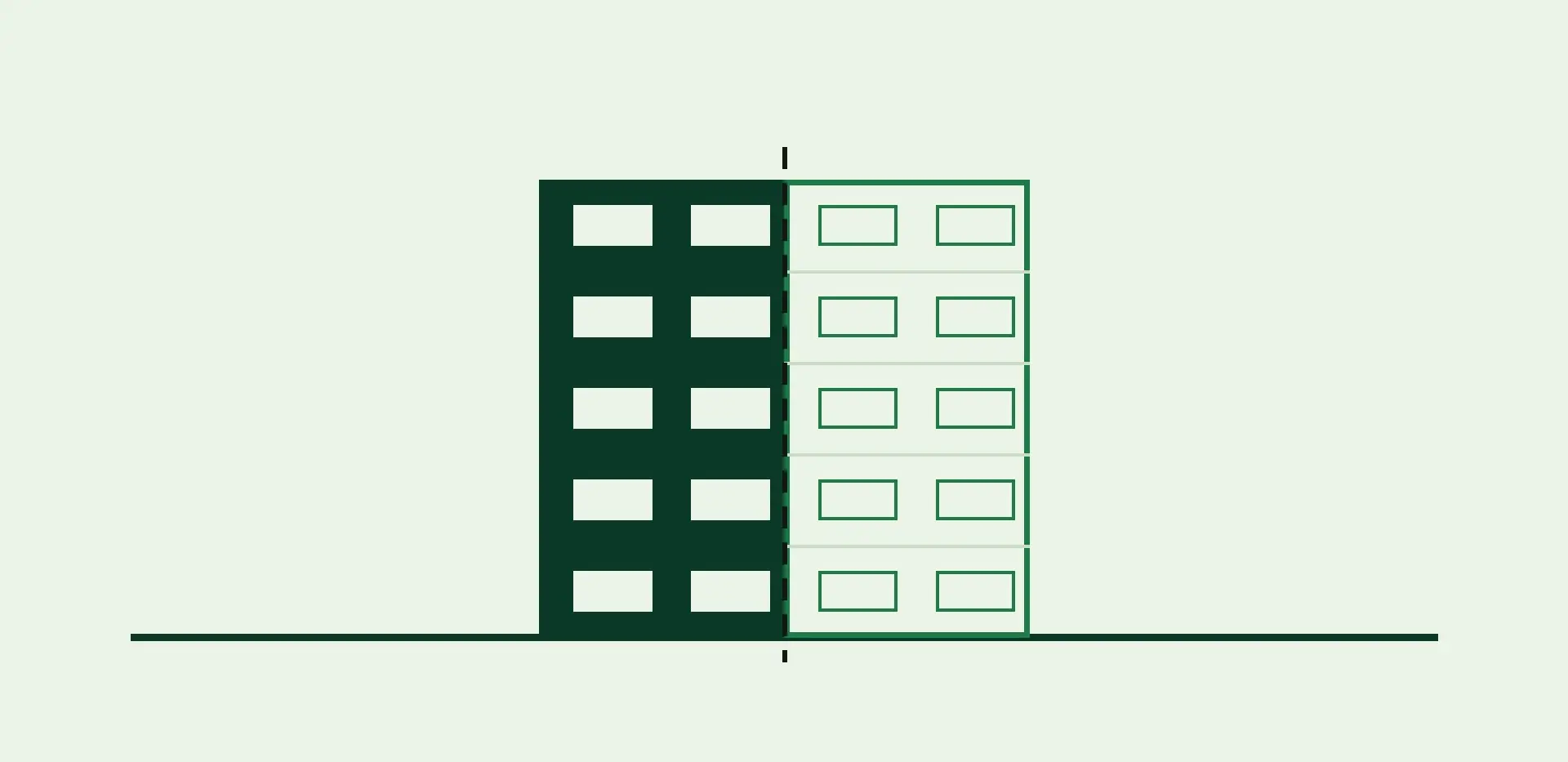
As a general default, the boundary of a lot is the inner surface of its walls, floors and ceilings — meaning the structure behind those surfaces is usually common property, while the surfaces and what’s inside the lot are usually the owner’s. But this is a default, not a rule: the precise boundary is set by your building’s registered strata plan, and it can vary. Always check the strata plan and by-laws before assuming.
Who’s Usually Responsible: A Quick Guide
The table below covers the items that come up most often. Treat it as general guidance — your strata plan and any registered by-laws can change it.
| Item | Usually responsible |
|---|---|
| Boundary walls (structure) | Owners corporation |
| Walls inside your lot | Lot owner |
| Ceilings (structural) | Owners corporation |
| Floors (structure) and slab | Owners corporation |
| Carpet / flooring inside the lot | Lot owner |
| Waterproofing membrane (e.g. under bathroom tiles) | Owners corporation (usually) |
| Tiles and surface finishes over it | Lot owner (usually) |
| External window frames and glass | Owners corporation (often) |
| Window locks, handles, flyscreens | Lot owner (often) |
| Balcony — waterproofing, balustrades, major repairs | Owners corporation |
| Balcony — routine cleaning, day-to-day care | Lot owner |
| Recessed (ceiling) light fittings | Owners corporation |
| Hanging / lot light fittings and internal fixtures | Lot owner |
| Shared pipes, plumbing and electrical in common areas | Owners corporation |
| Boundary roller / garage doors | Owners corporation |
Important: this table is a general guide only. Responsibility for any specific item depends on your registered strata plan and by-laws. NSW Fair Trading also publishes a ‘common property memorandum’ that sets this out in detail — but it only applies to your building if your scheme has formally adopted it by by-law.
The Genuinely Grey Areas
A few items cause the overwhelming majority of disputes, because the damage shows up inside a lot but its cause sits in common property.
Waterproofing and tiles
The classic example. The waterproofing membrane beneath a bathroom or balcony is typically common property, while the tiles and finishes over it usually belong to the lot. So when a membrane fails and water damages the lot below, the repair to the membrane is generally the owners corporation’s responsibility — even though the visible damage is inside someone’s apartment.
Windows and doors
External window frames and glass are often common property, while internal fittings — locks, handles, flyscreens — often fall to the lot owner. ‘Often’, again, because the strata plan governs.
Balconies
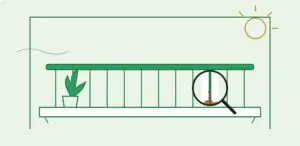
Balconies are generally the owners corporation’s responsibility for major repairs, waterproofing and balustrades, while the lot owner handles routine cleaning and day-to-day care of the space they have the right to use.
By-Laws Can Change All of This
A registered by-law — especially a common property rights (exclusive use) by-law — can shift responsibility for a defined area of common property onto a particular lot owner. A courtyard or rooftop terrace granted for one lot’s exclusive use, for example, often comes with a by-law making that owner responsible for its upkeep. This is exactly why ‘check your by-laws’ is not a throwaway line: they can override the general rules above.
What to Do When Something Breaks
Whatever the eventual answer on responsibility, the first steps are the same:
- Report it promptly — to your building manager, strata manager or committee. Early reporting prevents a small problem becoming an expensive one and helps establish responsibility while the evidence is fresh.
- Don’t repair common property yourself. In NSW a lot owner generally can’t carry out work on common property without the owners corporation’s authorisation, and doing so usually can’t be claimed back — even when the owners corporation was slow to act.
- Let it be assessed against the strata plan. Determining common property versus lot is a question of the plan and by-laws, not opinion.
- Keep records — photos, dates, correspondence. If the owners corporation fails its repair duty and you suffer a loss, there are avenues (mediation through NSW Fair Trading, then NCAT), but they’re time-limited.
Where a Building Manager Helps
A good building manager is usually the first person a repair gets reported to, and the one who keeps it moving. Their job is to identify the issue, help work out whether it’s common property by reference to the strata plan, get quotes and coordinate the contractor once the repair is authorised, and — for anything urgent — act quickly to prevent further damage. The formal decisions on authorising expenditure and the owners corporation’s legal duties sit with the committee and strata manager; the building manager makes sure the right repair actually happens, by the right trade, without the matter languishing while owners argue over who pays.
Frequently Asked Questions
Is the owners corporation responsible for water damage inside my apartment?
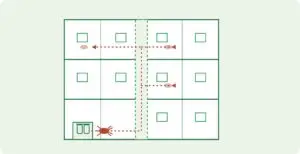
Often, yes — if the source is common property. A failed common-property waterproofing membrane or a leaking shared pipe that damages your lot is generally the owners corporation’s responsibility to repair, even though the damage appears inside your apartment. But it depends on the source and on your strata plan, so it needs to be assessed rather than assumed.
Can I just fix common property myself and send the bill?
Generally no. In NSW a lot owner usually can’t carry out work on common property without the owners corporation’s approval, and courts have declined to reimburse owners who did. Report it and let the owners corporation arrange the repair, even if it’s frustratingly slow.
How do I know if something is common property or part of my lot?
Check your registered strata plan and by-laws — they are the authority. The general defaults (structure and external elements tend to be common property; internal finishes and fittings tend to be the lot) are a starting point, not a final answer, because plans and by-laws vary between buildings.
What if the owners corporation won’t fix a common property problem?
The duty under section 106 is strict, so an owners corporation generally can’t simply refuse. If it does, the path is usually direct request, then mediation through NSW Fair Trading, then an application to NCAT for orders — and you may be able to recover a reasonably foreseeable loss, but only within the statutory time limit. This is the point at which a strata lawyer is worth a call.
Repairs That Actually Get Done
Building Management Australia is a Sydney building management firm — not a strata agent. We’re usually the first call when something breaks, and we keep repairs moving: identifying the issue, helping establish whether it’s common property, coordinating the right contractor once it’s authorised, and acting fast on anything urgent — working alongside your strata manager and committee.
If repairs in your building tend to stall, request a proposal at bmaus.com.au or email Andrew directly at andrew@bmaus.com.au.
About the Author
Andrew Veron is the founder of Building Management Australia (BMA), an independent Sydney building management firm established in 1995. BMA is a building management company — not a strata agent — providing on-site and visiting building management, facilities management, concierge, cleaning and valet services to residential, commercial and mixed-use properties. Over the past 30 years, Andrew and the BMA team have managed buildings across the Eastern Suburbs, North Sydney, Inner Sydney, Parramatta and the Sydney CBD, with assets currently valued in excess of $3 billion under management. Because BMA is independent of any strata management firm, committees receive unbiased advice and transparent contractor relationships. Reach Andrew at andrew@bmaus.com.au or bmaus.com.au.
This article is general information only and is not legal advice. Responsibility for repairs depends on your building’s registered strata plan and by-laws; owners corporations and lot owners should obtain advice specific to their circumstances.