In most apartment buildings, the lift is the single asset residents depend on most and understand least.
When it works, nobody thinks about it. When it stops, it’s an emergency, a source of complaints, and — if it’s reached the end of its life — potentially a six-figure decision. After thirty years managing Sydney buildings, I can tell you lifts reward attention and punish neglect more than almost any other part of a building. Here’s how to manage them well, and how to approach the big decision when it comes.
Why Lifts Deserve Special Attention
Lifts are unusual: they’re safety-critical, heavily regulated, expensive to run and repair, and the failure everyone notices immediately. A lift out of service in a tall building isn’t an inconvenience — it’s residents unable to get home with groceries, elderly and less mobile people stranded, and a flood of complaints to the committee. That combination of high stakes and high visibility is why lift management deserves more thought than it usually gets.
The Service Contract Is Where It Starts
Every lift runs on a maintenance contract, and the quality and terms of that contract shape both reliability and cost. The things worth understanding about yours: what’s actually included versus charged as an extra, how call-outs and breakdowns are handled and how fast, whether the contract locks you in for a long term, and how it compares to the market. Lift maintenance is a competitive field, and buildings that never test their contract often pay above the odds for years. As with any major contractor arrangement, competitive quoting and a clear scope keep the pricing honest.
Reliability Comes From Maintenance, Not Luck
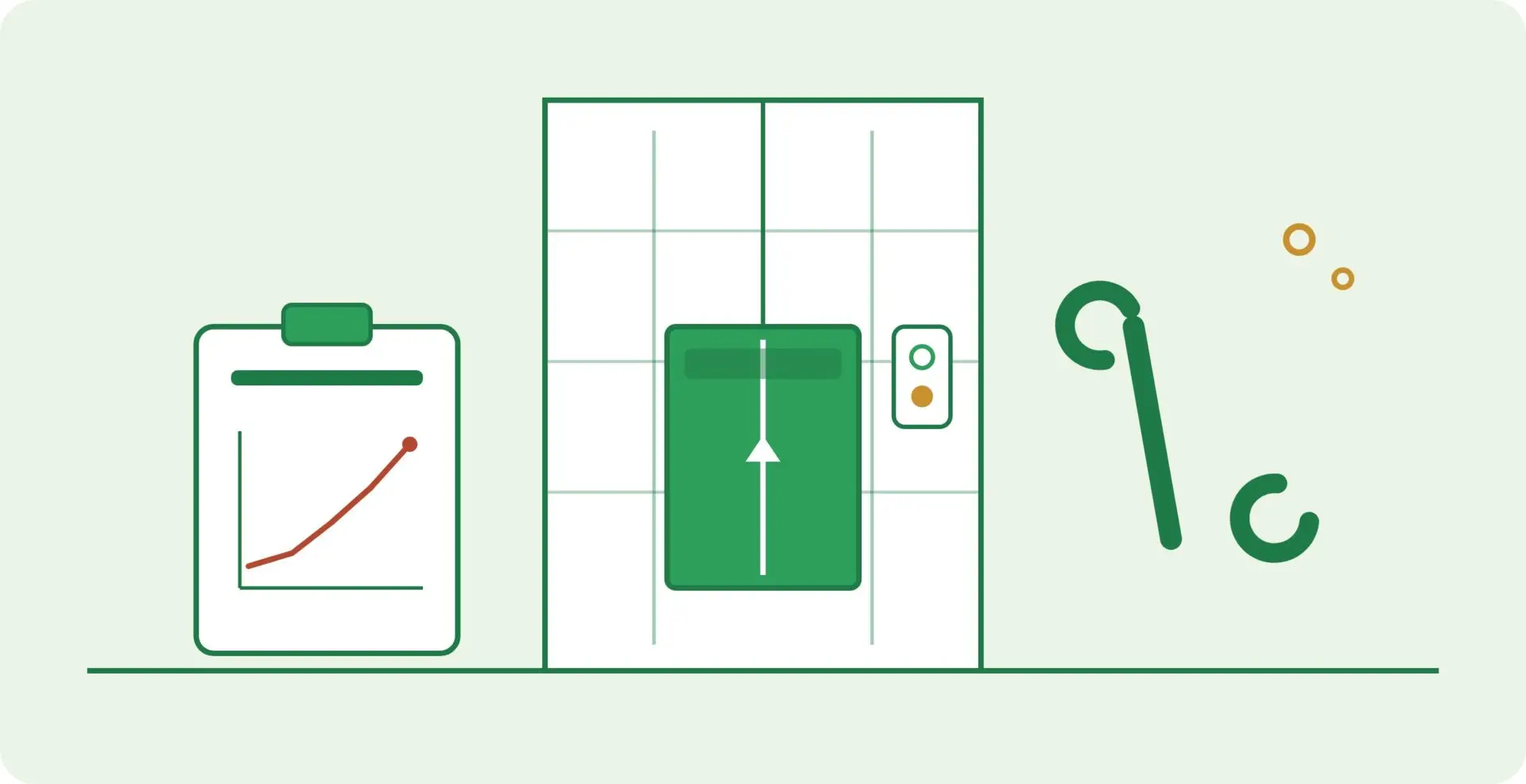
A lift that breaks down repeatedly is usually telling you something — about its age, its maintenance, or both. Good preventative servicing catches wearing components before they fail and keeps the lift running smoothly; poor or minimal servicing lets small issues become entrapments and outages. Tracking a lift’s breakdown history is one of the most useful things a building can do: a rising pattern of faults is often the first sign that a lift is heading toward the end of its serviceable life.
When Repair Becomes Modernisation
Every lift eventually reaches the point where patching it up costs more than it’s worth, and modernisation — a major upgrade or replacement of key components — becomes the sensible option. The signs are familiar: rising breakdown frequency, parts becoming obsolete and hard to source, long downtime waiting for repairs, and escalating repair bills. A modernisation is a significant capital project, often running into six figures per lift, and it’s one of the bigger decisions a committee will make.
Approaching a Modernisation
Because it’s a major capital works project, a lift modernisation deserves the same discipline as any big job: a clear specification of what’s actually needed (often worth an independent lift consultant, since lift companies quoting their own scope have an obvious interest), competitive tenders against that specification, proper funding through the capital works fund or a special levy, and supervision of the work. Modernisations also mean significant downtime — sometimes weeks with a lift out of service — so in buildings with multiple lifts, sequencing matters, and in single-lift buildings, managing resident disruption is a real part of the job.
Where a Building Manager Fits In
Lifts sit squarely in building management. We manage the maintenance contract and hold the lift company to it, track breakdown history and servicing, respond to entrapments and outages and keep residents informed, and — when modernisation looms — help the committee scope the project, engage consultants, coordinate competitive tenders, and manage the disruption of the works. The owners corporation makes the investment decision and the strata manager handles funding and approvals; the building manager helps keep the lift well maintained day to day and helps ensure a modernisation, when it comes, is run properly rather than sold to the committee by the company doing the work.
Frequently Asked Questions
How long do lifts last before they need modernising?
It varies with usage, quality and maintenance, but lifts generally have a serviceable life measured in decades, after which key components become obsolete and repair costs and breakdowns climb. Rather than a fixed age, watch the signs — rising faults, obsolete parts, long downtime — which tell you when a lift is approaching the point where modernisation makes more sense than continued repair.
Why does our lift keep breaking down?
Frequent breakdowns usually point to age, inadequate maintenance, or both. The first step is reviewing the maintenance contract and the breakdown history: if servicing is minimal or the lift is old with obsolete parts, the pattern is likely to continue or worsen. A rising fault trend is often the first sign a lift is nearing the end of its serviceable life.
How much does a lift modernisation cost?
It’s a significant capital project, commonly running into six figures per lift depending on the scope and building. Because of the cost and the technical complexity, it’s worth engaging an independent lift consultant to specify what’s genuinely needed and running competitive tenders, rather than relying on a single quote from the incumbent lift company.
Can we change our lift maintenance company?
Usually yes, subject to your current contract’s terms — which is exactly why the contract terms matter. Lift maintenance is competitive, and testing the market can improve both price and service. Check your notice period and any lock-in before acting, and compare quotes against the same defined scope.
Keep Your Lifts Reliable — and the Costs Honest
Building Management Australia is a Sydney building management firm — not a strata agent. Managing lift maintenance contracts, tracking reliability, responding to outages, and running a modernisation properly when the time comes is core building-management work, and we handle it alongside your strata manager.
If your building’s lifts are unreliable or a modernisation is looming, request a proposal at bmaus.com.au or email Andrew directly at andrew@bmaus.com.au.
About the Author
Andrew Veron is the founder of Building Management Australia (BMA), an independent Sydney building management firm established in 1995. BMA is a building management company — not a strata agent — providing on-site and visiting building management, facilities management, concierge, cleaning and valet services to residential, commercial and mixed-use properties. Over the past 30 years, Andrew and the BMA team have managed buildings across the Eastern Suburbs, North Sydney, Inner Sydney, Parramatta and the Sydney CBD, with assets currently valued in excess of $3 billion under management. Because BMA is independent of any strata management firm, committees receive unbiased advice and transparent contractor relationships. Reach Andrew at andrew@bmaus.com.au or bmaus.com.au.