Most committees don’t think of themselves as having work health and safety duties — until a contractor is injured on common property, or someone slips on a wet lobby floor, and the question of who was responsible suddenly matters a great deal.
The reality is that strata schemes carry safety obligations, and in some cases formal WHS duties. After thirty years managing Sydney buildings, here’s a practical guide to what owners corporations need to understand — and why a safety-minded approach is worth having whether or not WHS law strictly applies.
When Do WHS Laws Apply to a Strata Scheme?
WHS laws don’t apply to every owners corporation, but they can apply in particular situations — notably where the scheme is mixed-use, or where the owners corporation has direct employees. In those cases, the owners corporation can carry duties as a ‘person conducting a business or undertaking’, which brings genuine legal responsibilities around the safety of workers and others. Whether your scheme falls into this category is a fact-specific question worth getting proper advice on, because the consequences of being wrong are significant.
The Duty That Applies to Everyone
Even where formal WHS laws don’t apply, every owners corporation has a duty to keep its common property safe and in good working order. People — residents, visitors, contractors, delivery drivers — use that common property constantly, and the scheme can face liability if someone is harmed by a hazard it should have addressed. So the practical position is the same either way: the building needs to be actively kept safe, and risks need to be managed rather than ignored.
Why a Safety Audit Is Worth It Regardless
Because the line on when WHS strictly applies can be blurry, and because the underlying duty of care exists either way, a general safety audit of common property is sensible for almost any scheme. It identifies hazards before they cause harm — and before they become a claim. A good audit looks across the building for the risks that actually injure people and generate liability.
The Hazards That Actually Matter
In practice, the risks worth focusing on in a residential building include:
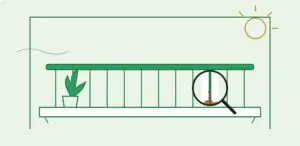
- Slips, trips and falls. Wet floors, uneven surfaces, poor lighting, loose handrails and trip hazards in common areas — the most common cause of injury claims by some distance.
- Contractor and worker safety. Trades working on the building — at heights, with electricity, in plant rooms — need to do so safely, with proper induction and supervision.
- Asbestos in older buildings. Buildings of a certain age may contain asbestos in common property; knowing where it is and managing it is a serious obligation, and disturbing it unknowingly during works is a real risk.
- Working at heights and confined spaces. Roof access, facade work and plant rooms carry specific risks that require proper controls.
- Electrical and plant hazards. Switchrooms, pumps and machinery need to be maintained and access controlled.
Managing Contractor Safety
Contractors are where a lot of building safety risk concentrates, because they do the dangerous work. Good practice means engaging properly licensed and insured contractors, confirming they have their own safe-work procedures, inducting them to the building’s specific hazards — where the asbestos is, how to isolate services, what the access rules are — and supervising the work. A building that hands a contractor a key and looks away is carrying risk it doesn’t need to.
Where a Building Manager Fits In
Safety on common property is, day to day, building-management work. We help keep the building safe and hazards managed: carrying out and acting on safety inspections, maintaining the common property so slip, trip and equipment hazards are fixed, inducting and supervising contractors, keeping safety records, and flagging where specialist advice — a formal WHS assessment, an asbestos register, an engineer — is needed. The owners corporation holds the legal duties and makes the decisions; the strata manager handles governance; specialists handle formal assessments. The building manager is the continuous presence that keeps the building’s safety from drifting between all of them.
Frequently Asked Questions
Does our owners corporation have WHS duties?
Possibly — it depends on your scheme. WHS duties are more likely where the scheme is mixed-use or the owners corporation has direct employees. Even where formal WHS law doesn’t apply, the owners corporation still has a duty to keep common property safe. Whether WHS applies to your specific scheme is worth confirming with a qualified adviser.
What’s the most common safety risk in apartment buildings?
Slips, trips and falls in common areas — wet floors, poor lighting, uneven surfaces, loose handrails. They’re the leading source of injury claims and almost all are preventable with regular inspection and prompt maintenance.
Do we need to worry about asbestos?
If your building is of an age where asbestos was used, yes. Knowing where it is and managing it properly is important, and disturbing it unknowingly during maintenance or works is a genuine hazard. Older buildings should have this professionally assessed and recorded.
How do we manage contractor safety?
Engage licensed, insured contractors with their own safe-work procedures; induct them to the building’s specific hazards; and supervise the work. Most contractor incidents trace back to a contractor who wasn’t properly briefed or overseen — both of which are avoidable.
Want Your Building’s Safety Actively Managed?
Building Management Australia is a Sydney building management firm — not a strata agent. Keeping common property safe, managing hazards, inducting and supervising contractors, and maintaining safety records is core building-management work, and we handle it alongside your strata manager — flagging where formal WHS or specialist advice is needed.
If your committee wants to get on the front foot with safety, request a proposal at bmaus.com.au or email Andrew directly at andrew@bmaus.com.au.
About the Author
Andrew Veron is the founder of Building Management Australia (BMA), an independent Sydney building management firm established in 1995. BMA is a building management company — not a strata agent — providing on-site and visiting building management, facilities management, concierge, cleaning and valet services to residential, commercial and mixed-use properties. Over the past 30 years, Andrew and the BMA team have managed buildings across the Eastern Suburbs, North Sydney, Inner Sydney, Parramatta and the Sydney CBD, with assets currently valued in excess of $3 billion under management. Because BMA is independent of any strata management firm, committees receive unbiased advice and transparent contractor relationships. Reach Andrew at andrew@bmaus.com.au or bmaus.com.au.
This article is general information only and is not legal advice. Whether and how work health and safety laws apply depends on the specific circumstances of a scheme; owners corporations should obtain advice from a qualified WHS or legal professional about their particular situation.